
Team coaching & positive psychology · Melbourne & online
Build a team that performs.
Talented people who don’t pull in the same direction will always underperform. For nearly 40 years I’ve coached sporting clubs and businesses to build on their strengths and close the gap between the team they have and the team they need.
Coaching/Strengths/Culture
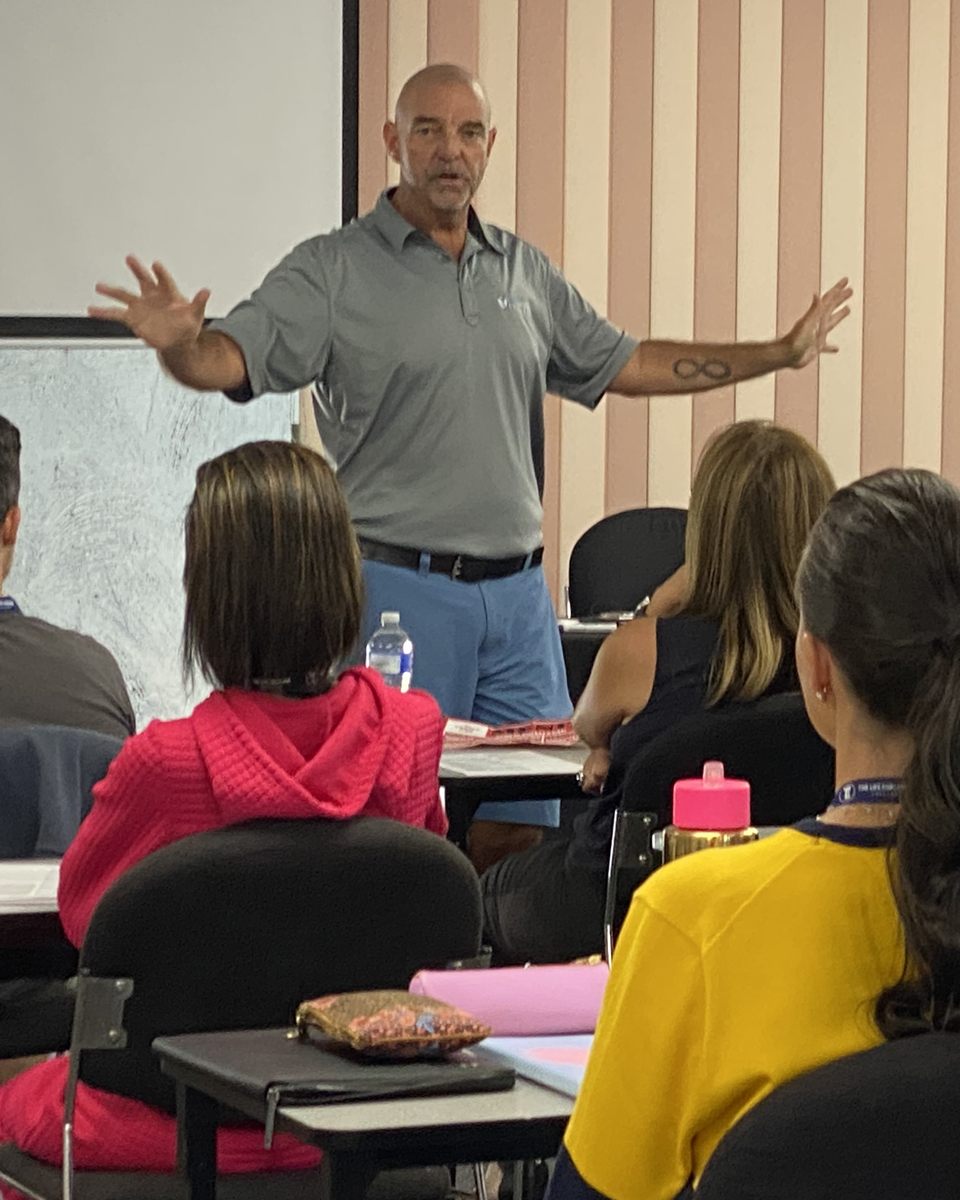
Nearly 40 years
coaching athletes, teams & leaders
Australia
Skills coach, Australian Women’s Cricket team 1996–97
5,000+
coaches trained through The Life Coaching College
4 books
Published author on coaching and life design
Sound familiar?
You’ve got the talent. So why isn’t the team firing?
Most underperforming teams aren’t short on ability. They’re short on alignment: a shared picture of success, standards everyone owns, and the courage to hold each other to them.
Get those right and the same group of people starts winning, on the scoreboard and on the bottom line.
- Your team struggles to work together towards one goal
- There’s no shared vision of what success actually means
- There’s a gap between where they are and where you need them to be
- You can hear the murmurings of instability
- You’ve tried to build a great culture, and it hasn’t stuck
- Honest feedback is avoided, or lands badly
- Excuses like the weather, the umpires and the injuries have become part of the culture
The approach
Coaching + positive psychology
Most team programs start with what’s wrong. Mine starts with what’s strong. Positive psychology is the science of what helps people and teams flourish. Coaching is how a team turns that into action it owns.
Coaching, not consulting
I don’t hand your team a strategy or a poster of values. I ask the questions that let the team find its own answers, so it owns them and lives them.
Built on strengths
Every person is profiled for their character strengths (VIA) and working style (DISC). We build the team around what each person does best, instead of fixing what they don’t.
No failure, only feedback
A growth culture where mistakes are learning, honest feedback is normal, and everyone takes responsibility for their own performance.
Research from the VIA Institute has found that people who use four or more of their signature strengths at work are more likely to experience their work as a calling, not just a job.
How I work with teams
Nine steps from “a group of people” to a high-performing team
It’s the same process I’ve used in change rooms and boardrooms for years, and the one I now teach to coaches at The Life Coaching College.
Phase 1
- What do you actually want?The team decides what it wants, and what it’s willing to sacrifice to get it.
- Get the group “at cause”Results or reasons. No more blaming the umpires, the weather or the budget.
- Who are we?Strengths profiling (VIA character strengths) and DISC, so everyone knows what each person brings.
Phase 2
- Current cultureHow do others see us? How do we talk about ourselves? Honest answers only.
- Values: how do we want to be seen?3–5 words the team chooses. Its trademark, its mantra.
- The behaviours that live themA big list of actions that close the gap between where we are and where we want to be.
Phase 3
- Non-negotiablesThe behaviours everyone commits to, every time, without exception.
- Peer feedbackHonest, structured feedback against the agreed behaviours: start, stop, keep.
- High-performing leadershipLeaders who drive the values, and act when the standard slips.
“Raise the expectations of one another and standards will rise, and performances will improve.”
Glen Murdoch
Work with me
Three ways to lift your team
The Tribal Gap workshop
My flagship team session. Your team assesses where it is, defines its values and non-negotiable behaviours, and commits to them together.
Leadership coaching
One-to-one coaching for the people who set the tone: captains, coaches, managers and CEOs. Lead the culture instead of chasing it.
Speaking & workshops
High-energy sessions on the champion mindset, leading the tribe and breakthrough principles for conferences, clubs and leadership days.
Who I work with
Teams that want to be great, not just good
Sporting clubs
Senior and junior squads, coaching staff and committees who want a culture that wins games and keeps players.
Businesses
Leadership teams and departments who need to stop pulling in different directions and start delivering.
Leaders
Captains, coaches, managers and CEOs who know the culture starts with them.
From the field
Real teams. Their words, not mine.
The best values and behaviours aren’t written by a consultant. They’re written by the team. Here’s where it started, and what a few of the clubs I’ve worked with came up with.
Cricket · Head coach · Where it began
Victorian Women’s Cricket team
Australian Champions, 1996
I worked with the squad through 1995, then as head coach in 1996 we won the Australian Championships. That team was the beginning of my work developing high-performing teams, and everything I’ve done since grew from it. Over 1996–97 I was also skills coach for the Australian Women’s Cricket team.
Cricket
Parkdale Cricket Club
30 lean years. Then the change.
Thirty years without any real success. In the 20 years since: four First XI premierships, plus another 10 grand final wins across the other grades.
Where we started: 500 players had come through the club and only 11 had ever played in a premiership. The mantra for the season: “Have the chat.”
Football
Frankston FC: Dolphins Spirit
“Tribe first. Always and without exception.”
The playing group’s non-negotiables included “There is no failure, only feedback”, “Always go when it’s your turn” and “Be ready to train on time, every time”.
Football
Oakleigh Krushers FC
The tribe also wrote a list of excuses no longer tolerated: the weather, umpires, injuries, travelling to away games, ground conditions. And one simple rule: “Whistle means go.”
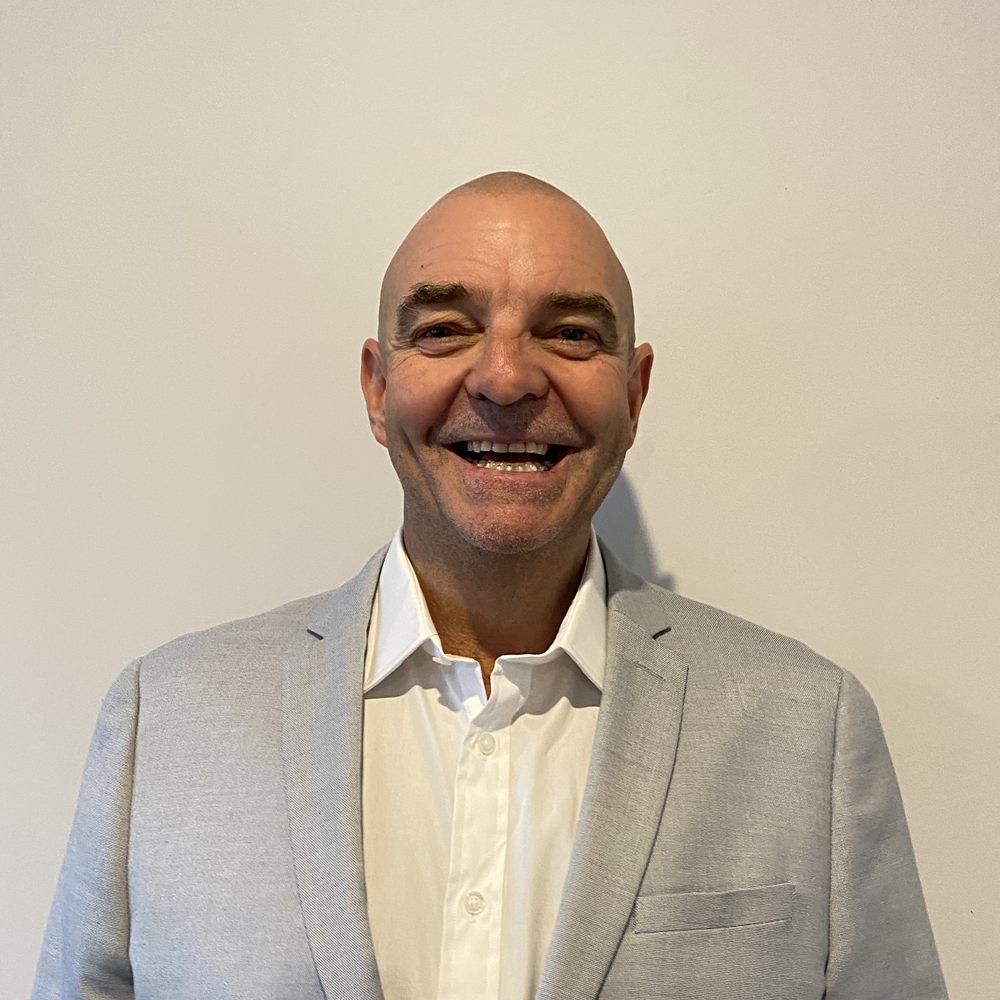
Meet your coach
Hi, I’m Glen.
I’ve spent nearly 40 years as a teacher, performance coach and mentor, from classrooms and change rooms to boardrooms. My roots are in sport science and sport psychology. Today everything I do is grounded in coaching and positive psychology. I’ve seen first-hand that the best teams aren’t the most talented. They’re the most aligned.
In 2011 I founded The Life Coaching College, which has since trained more than 5,000 coaches. But nothing beats being in the room when a team decides who it’s going to be.
What I believe
The principles I coach, and live, by
Performance is a product of habits, beliefs and expectations, and they’re all within your control.
Without actions, values are just words.
Dealing with conflict? Have the chat.
You get results or reasons. Never both.

Free report
The 5 Biggest Leadership Mistakes, and How to Avoid Them
The five mistakes I see over and over in clubs and businesses that quietly kill team performance, and what great leaders do instead. Free, straight to your inbox.
We'll email you the report. No spam, ever. Privacy
This testimonials section is hidden from visitors until you add real quotes. Replace the three boxes below with a club president or coach, a business leader and a captain, then remove “editor-only” from this section’s Additional CSS class.
Results
What teams say
“Testimonial from a club president or senior coach.”
Name, Role, Club
“Testimonial from a business leader.”
Name, Role, Company
“Testimonial from a captain or team member.”
Name, Role, Team
Also from Glen
Books & the Just Glen podcast
Life Design
Life Design: Essentials for Designing Your Ideal Life
A practical workbook for anyone who wants to move forward. Easy-to-understand ideas and exercises to lift your thinking, improve your results and change your life.
Just Glen
Just Glen: the podcast
Weekly reflections and honest musings on work, family, sport and culture. One man thinking out loud.
More books, the podcast and Glen’s story are at glenmurdoch.com.
Your next step
Great teams aren’t lucky. They’re built.
Book a free, no-obligation 30-minute Team Discovery Call and walk away with clarity on the one thing holding your team back.